As designers, when we decide that we are going to make a horror adventure the very first thing we have to decide is the tone. If we can’t create a consistent tone then our adventure will feel disjointed. In my experince with horror RPGs there are three types. Flick, ick, and squick. So lets talk about each and who the audience for them is.
FLICK. A ‘flick’ horror story is one based around build up and release, usually through jump scares. I call it flick since these types of horror adventures are usually based around build ups found in big horror movies.
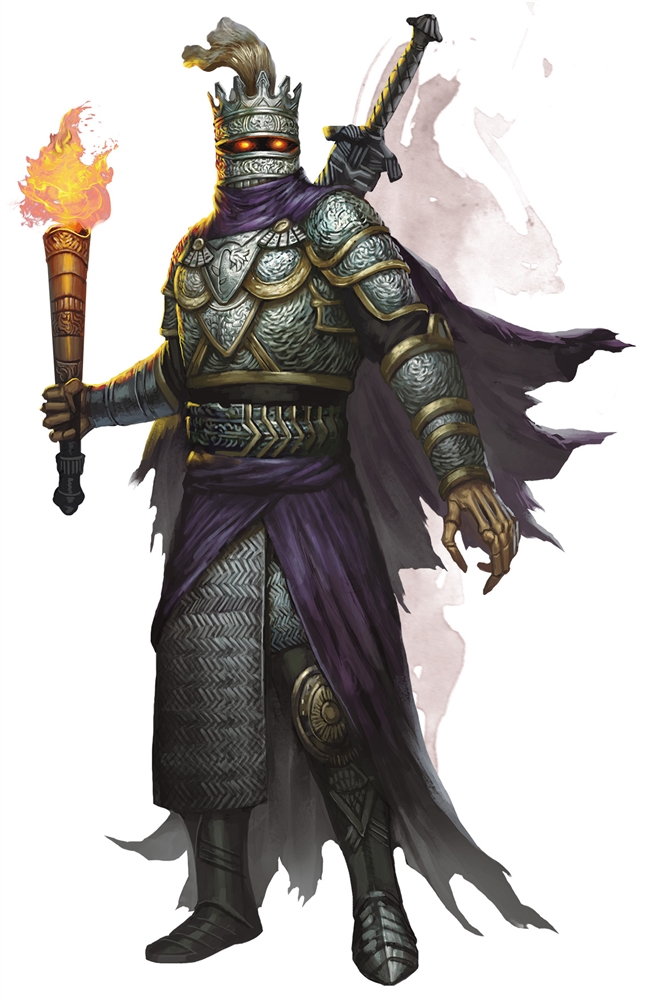
“The knight’s eyes blaze with anger as it marches forward, summoning to its skeletal hand a necrotic, purple flame.”
A flick story has two main elements. A hella cool baddy that can easily kill you one-on-one and action set pieces which carry a dark tone. Games like Blades in the Dark or the D&D 5e adventure Curse of Strahd are excellent examples of flick adventures since they are almost entirely about the build-up to when you can pull off your heist or fight the evil vampire.
Despite this description carrying a fairly negative sounding tone towards flick stories it needs to be said that they are, for the majority of players, the best horror stories you can get in an RPG. They have everything your average player wants (challenging enemies, creative set pieces, and interesting problems they can solve) all with a fun coat of horror paint thrown over the top.
The problem is that its not truly scary. It will startle but nothing more. Like I said though, that is what most people want.
Style Guide: Alien (1979), The Thing (1982), IT (2017),
ICK. An ‘ick’ horror story is one based around something viscerally disgusting. Ick is what you’ll say while playing. “Bugs, blood, and bodies” as a friend of mine used to say.
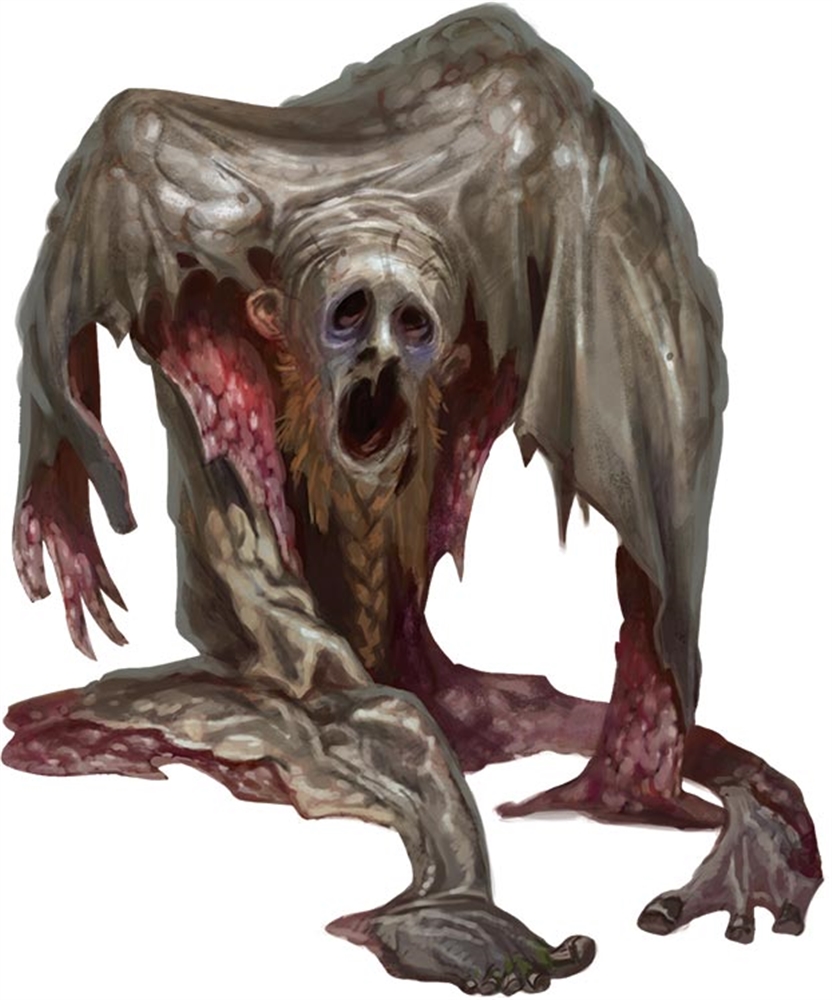
“The room is unlit and seemingly empty, save for a pile of linen tossed into the corner. Peeking in further you begin to realise that something is moving within the linen. Seeing a roach swiftly scuttle between two holes in the pile you realise what it truly is. Flopping and slithing towards you is a mass of empty human flesh.”
Games like the excellent MÖRK BORG or the more comidic Paranoia are great vectors for this style of adventure. This style requires either a lot of effort on the GMs part or an extensive amount of descriptive text, both of which we obviously want to avoid. We also need to remember that what is fun and gross to one person may be tragically real for another.
These issues make ick adventures difficult to do well. It can, of course, be done but only do so with great care. If you can do that, you’ve got a fun horror romp that can be genuinely creepy.
Style Guide: The Blob (1988), Cabin Fever (2002), Saw (2004)
Squick. Finally we have ‘squick’ horror which is based around a feeling of utter powerlessness. It is implication mixed with danger, which makes it the hardest to write but also gives it the strongest payoff.
“Eyes form along the shadows of the creatures tittering mass. Each glistening a jealous crimson. The only sound its body makes is the squelching of jelly being forced through a window. No other sound escapes its endlessly moving mouths but you can feel an unspoken the command to surrender your flesh.”
Games like Call of Cthulu and Eclipse Phase were specifically designed with this sort of horror in mind. As we design squick adventures we need to remember two rules.
1. The PCs can, and should, succeed. This could mean survival or sealing the enemy away. But they can never win.
2. Focus stays on the character’s actions and not the numbers on their sheets.
These two rules mean that we can’t fall into easy habits of adventure design. No monsters or silly traps sprinkled in wherever to fill up the dungeon. Everything has to be flavour warning them that they are going to die if they keep going forward.
Style Guide: In the Mouth of Madness (1994), Event Horizon (1997), Pan’s Labyrinth (2006)

Conclusion. So how do we, as RPG writers, use this imformation? Well lets apply each style to a classic horror monster. One of my favourite classic horror monsters is a Mummy.
A flick mummy has been laid out fairly well for us in The Mummy (1999). They should have a tomb filled with traps and undead minions, an apocalyptic plan which involves some gruesome deaths, and desert themed magic powers.
An ick mummy is a little harder to find inspiration for. It should have the stench of death, covered in rotted disease, and dripping with liquid fat. Playing up the idea of mummy rot and curses should be our goal. The PCs should feel their body rotting from the inside out and choke as they are cursed to drown in the middle of the desert.
Finally, the squick mummy needs to do one thing above anything else. It can never move. It must be so unnatural that horrifying things happen just from its mere existence. Serpents are silently drawn to it, food turns to ash near it, and terrible accidents happen to the living. It should leave the PCs wondering “How do you kill what’s already dead?”

 Roleplaying Writer
Leave a comment